
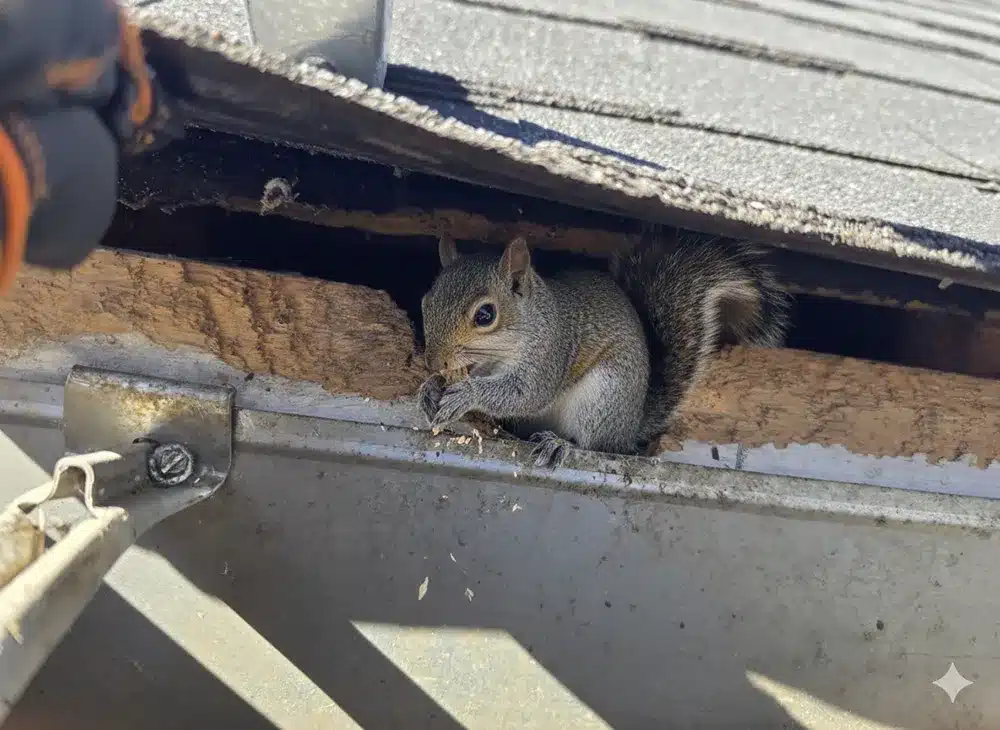
If you’ve just discovered squirrels in your attic or found rat damage behind your walls, you’re probably hoping your homeowners insurance will foot the bill. Unfortunately, the answer is almost never straightforward — and in most cases, it’s not good news.
Here’s what Georgia homeowners need to know before you call your insurance company.
The Short Answer: It Depends on the Damage, Not the Animal
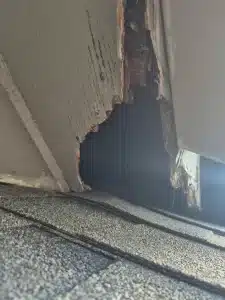 Most standard homeowners insurance policies cover sudden and accidental damage — like a tree falling on your roof or a pipe bursting. Wildlife damage, on the other hand, is usually treated as a maintenance issue, which insurers typically exclude from coverage.
That said, there are some situations where insurance may step in. The key is understanding the difference between the animal’s presence and the damage it causes.
What Homeowners Insurance Usually Does NOT Cover
Insurance companies generally exclude:
- The cost of animal removal — evicting squirrels, raccoons, rats, or bats from your home is considered pest control, not a covered loss
- Chewed wiring and pipes — rodents gnawing through electrical wiring or plumbing is considered gradual damage, not sudden and accidental
- Insulation damage and soiling — contaminated or compressed insulation from nesting animals is almost always excluded
- Attic decontamination — cleaning up droppings, urine, and nesting debris after an infestation is typically out-of-pocket
- Structural chewing — damage to wood framing, joists, or soffits caused by gnawing rodents is usually denied
The logic insurers use: if you had caught the problem sooner, the damage would have been minimal. That’s why they call it a “maintenance issue” — and it’s a frustrating but common reason for claim denials.
What Homeowners Insurance Might Cover
There are a few scenarios where your policy could work in your favor:
1. Sudden, accidental damage caused by a covered animal
If a raccoon tears through your roof to get inside and you catch it immediately, the roof damage itself may be covered as a sudden and accidental loss — even if the animal removal isn’t. The key word is sudden. A long-standing infestation won’t qualify.
2. Fire caused by chewed wiring
If rodents chew through electrical wiring and it causes a fire, the resulting fire damage is typically covered under your policy’s fire protection. The chewed wire itself won’t be covered, but the fire damage to your home would be.
3. Consequential water damage
In some cases, if an animal damages a pipe and that leads to water damage, the water damage portion of the claim may be covered — though again, not the animal damage itself.
The Animal-by-Animal Breakdown
 Different animals create different coverage situations:
Squirrels and rats — Almost always excluded. Their damage is gradual and considered preventable with proper home maintenance.
Raccoons — If a raccoon physically breaks into your home (ripping off a vent cover or tearing through shingles), the structural damage may qualify as sudden and accidental. The animal removal itself won’t be covered.
Bats — Bat removal is never covered. Bat guano cleanup and insulation replacement are almost always out-of-pocket expenses. This is one of the most costly wildlife situations Georgia homeowners face.
Birds — Nesting damage in vents or chimneys is typically excluded. If bird nesting blocks a vent and causes a fire or CO buildup, the resulting damage may be covered.
Snakes — Snake removal is not a covered insurance claim. Snakes don’t typically cause structural damage, so this usually isn’t a financial issue beyond the removal cost.
Why Insurance Companies Deny These Claims
When you file a wildlife claim, adjusters look for two things: whether the damage was sudden and whether it was accidental. Wildlife infestations fail both tests:
- They build up over weeks or months (not sudden)
- They typically involve entry points that a homeowner could have sealed with regular maintenance (not truly accidental)
Insurers may also cite a “neglect” or “lack of maintenance” exclusion — essentially arguing that a properly maintained home wouldn’t have had the problem in the first place.
What You Can Do to Protect Yourself

The longer an infestation goes on, the more it looks like neglect to an insurer. Call a wildlife removal company at the first sign of a problem — scratching sounds, droppings, or chewed materials.
2. Document everything
Take photos and videos before any cleanup begins. This matters both for insurance purposes and for your own records. Note when you first noticed signs of the infestation.
3. Check your specific policy
Some higher-end homeowners policies or endorsements do offer limited wildlife or pest coverage. It’s worth reviewing your policy declarations page or calling your agent to ask specifically about animal damage exclusions.
4. Consider a home warranty
A home warranty (separate from homeowners insurance) sometimes covers pest-related damage to appliances or systems. Read the fine print carefully.
5. Invest in exclusion work
The best financial protection is prevention. Professional animal exclusion — sealing every potential entry point on your home — eliminates the risk of a future infestation before it starts.
The Real Cost of Waiting
Even if insurance won’t cover wildlife damage, that doesn’t mean you can afford to ignore the problem. A rat infestation left unchecked for a few months can result in:
- Thousands of dollars in chewed wiring repairs
- Contaminated insulation that needs full replacement
- Structural damage to joists and framing
- Health risks from rodent droppings and urine
Raccoons and squirrels cause similar compounding damage the longer they’re in place.
The cost of professional wildlife removal and exclusion is almost always far less than the repair bill if you wait.
The Bottom Line
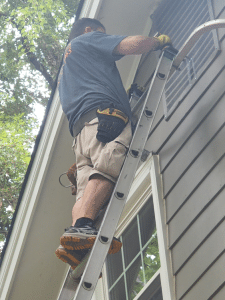
If you’ve found signs of wildlife in your attic or walls, don’t wait to see if the problem resolves itself — it won’t.
Attic Kings provides humane wildlife removal and full exclusion services throughout Metro Atlanta, including Gwinnett County, Lawrenceville, Norcross, and surrounding areas. Call us today for a free inspection.
Have questions about wildlife damage or exclusion? Contact our team — we’re happy to walk you through your options.